Juniper
Juniperus communis
Evergreen conifer. The ‘berry’ is a fused cone used a few at a time in game, sauerkraut, and gin. Not all Juniperus species are used as spice — some are inedible. A few crushed berries, not a handful.
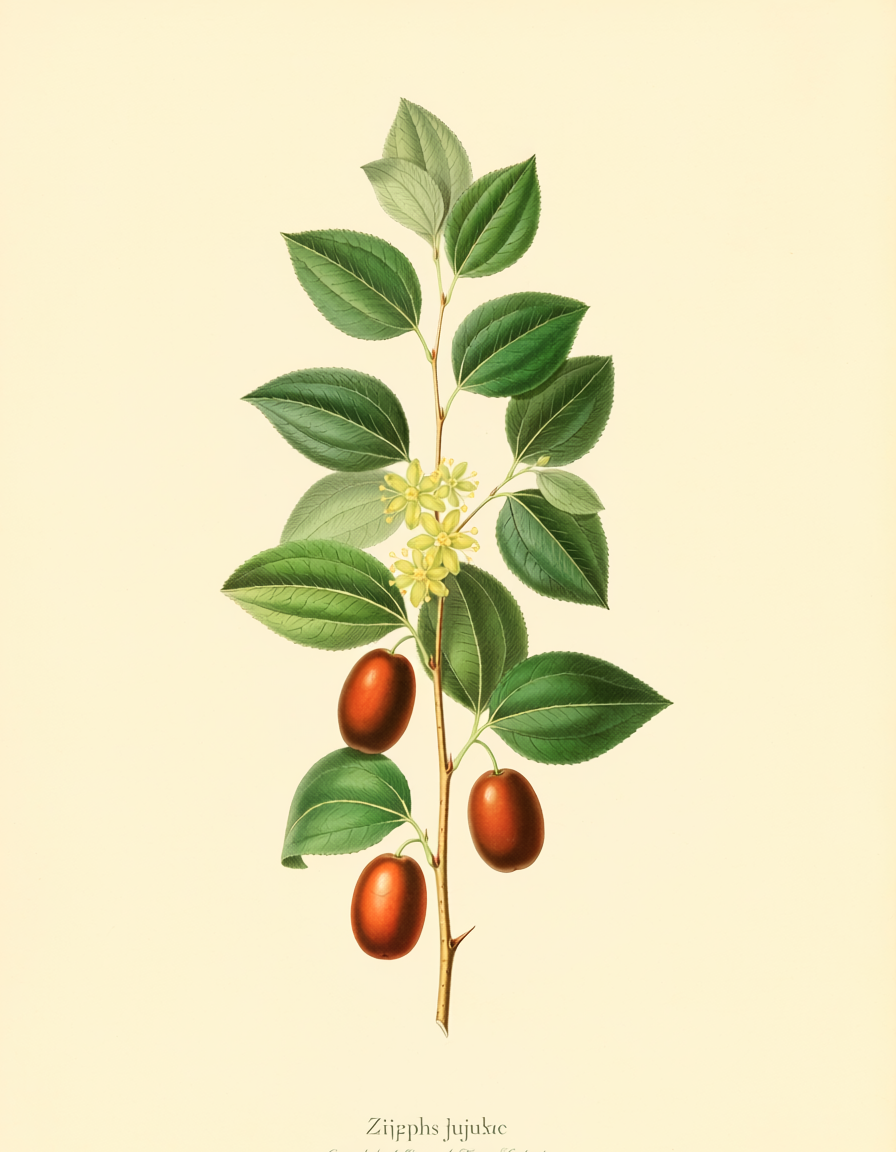
GROW → HARVEST → EAT → DRY → POWDER → CAPSULE → GUMMY — forms are not equivalent. Food first.
Identity
What it is
Evergreen conifer. The ‘berry’ is a fused cone used a few at a time in game, sauerkraut, and gin. Not all Juniperus species are used as spice — some are inedible. A few crushed berries, not a handful.
From the existing encyclopedia
Juniper shows up in regional spice blends, apothecary tea chests, and slow-cooked pots where aroma matters as much as flavor. Rehydrate dried forms in warm water before adding to long braises for even texture. Balances with honey or dates in warm drinks when used as food sweetening. When substituting dried Juniper for fresh, use about one-third the volume and bloom in fat or hot water before adding acid or dairy.
Edible portions
- ripe ‘berries’ (seed cones) in tiny culinary amounts
Absence of a portion from this list means it is not treated as food here — not that every other part is toxic.
Growing
- Climate. 2–6 depending on form
- Light. Full sun
- Soil. Lean, well-drained, even alkaline
- Planting. Dioecious; you need female plants for cones. Slow.
Preparation and culinary uses
- Crush 3–6 berries in a pot of cabbage or venison
Safety
- Culinary J. communis cones in food amounts. Do not improvise teas from unknown landscape junipers, especially during pregnancy folklore — this is a spice, not a tonic.
Next steps
Sources
- USDA PLANTS Database — taxonomy and range (verify current entries)
- No USDA FoodData Central nutrient profile is attached here. That is not a claim that the plant contains no nutrients.
- State cooperative extension growing guides — verify for your region
- Integrated from the existing aaaLifetime / quantum-biohack encyclopedia corpus (unique text preserved where it was not boilerplate).
Honest incompleteness is preferred to fabricated completeness. If a section is missing, no record for it is attached here — not a claim that the plant lacks that characteristic, and not that it was omitted as a secret.
Internal quality class A. Strong page: distinctive plant facts plus practical growing or kitchen use.