Olive
Olea europaea
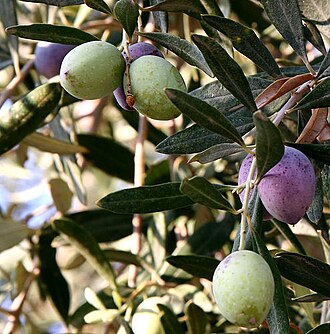
An evergreen Mediterranean tree. Fresh olives are bitter with oleuropein and are cured, not eaten off most trees. Oil is a processed fat from the fruit — extra-virgin is still a processed food, just a short process.
GROW → HARVEST → EAT → DRY → POWDER → CAPSULE → GUMMY — forms are not equivalent. Food first.
Identity
Also called: Olive fruit, olive-oil-fruit, Olive leaf, olive-leaf
What it is
An evergreen Mediterranean tree. Fresh olives are bitter with oleuropein and are cured, not eaten off most trees. Oil is a processed fat from the fruit — extra-virgin is still a processed food, just a short process.
From the existing encyclopedia
Extra-virgin olive oil is the principal fat of the Mediterranean pantry, pressed from Olea europaea fruit. Polyphenols and oleic acid make flavor and stability vary by harvest and cultivar. Store in a dark bottle away from the stove heat. Use for dressings and low-to-medium sauté; pair with garlic, oregano, and lemon. Food SKU appropriate for v1 when sold as pure culinary oil without drug claims.
Edible portions
- cured fruit
- oil as processed fat
Absence of a portion from this list means it is not treated as food here — not that every other part is toxic.
Growing
- Climate. 8–10
- Light. Full sun, dry summers
- Soil. Very well-drained; wet roots fail
- Planting. Long-lived trees. Fruiting can need chill + heat and, for some cultivars, a pollenizer.
- Harvest. Green or black depending on cure style; process soon.
Processing, drying, storage
- Processing. Curing and pressing sit on the Make side of the continuum. Oil is not a vitamin pill.
Preparation and culinary uses
- Table olives
- Oil for dressings and medium-heat cooking
Nutrition and compounds
- Plant compounds. oleuropein, oleic acid. Presence is not a dose, a cure, or a reason to buy a capsule.
AAA interpretation Food first. These associations explain why a plant shows up in a nutrient conversation — they are not a supplement shopping list.
Next steps
Sources
- USDA PLANTS Database — taxonomy and range (verify current entries)
- USDA FoodData Central — nutrient profiles for foods (verify current entries; this page does not invent milligrams)
- State cooperative extension growing guides — verify for your region
- Integrated from the existing aaaLifetime / quantum-biohack encyclopedia corpus (unique text preserved where it was not boilerplate).
Honest incompleteness is preferred to fabricated completeness. If a section is missing, no record for it is attached here — not a claim that the plant lacks that characteristic, and not that it was omitted as a secret.
Internal quality class A. Strong page: distinctive plant facts plus practical growing or kitchen use.