Tea
Camellia sinensis
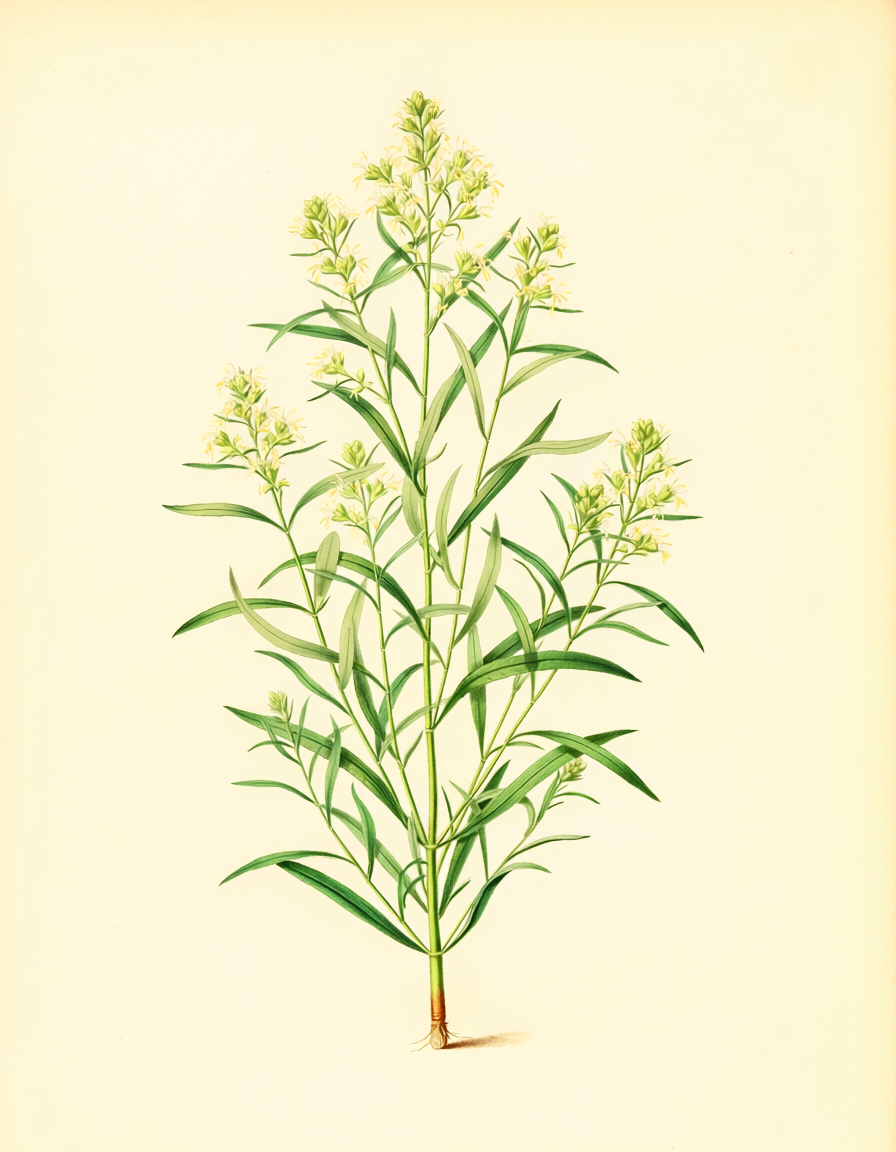
The tea shrub. Green, black, oolong, and white teas are processing differences of the same leaf, not different plants. ‘Herbal tea’ is an infusion of other species. Caffeine is in this leaf.
GROW → HARVEST → EAT → DRY → POWDER → CAPSULE → GUMMY — forms are not equivalent. Food first.
Identity
Also called: green tea, black tea, Camellia sinensis, Camellia tea, tea-camellia, Matcha
What it is
The tea shrub. Green, black, oolong, and white teas are processing differences of the same leaf, not different plants. ‘Herbal tea’ is an infusion of other species. Caffeine is in this leaf.
From the existing encyclopedia
Green Tea is chosen for texture, micronutrients, and how it carries spices in real cooking, not for miracle marketing. Green tea leaf is a daily pantry beverage; steep cooler than boiling to limit bitterness. Rehydrate dried forms in warm water before adding to long braises for even texture. Complements lemon, lime, or vinegar acidity in dressings and marinades. Rotate Green Tea with other staples in weekly meal plans so pantry kits stay versatile without repeating the same flavor profile every day.
Edible portions
- young leaves, processed
Absence of a portion from this list means it is not treated as food here — not that every other part is toxic.
Growing
- Climate. 7–9 with protection; cooler with winter care
- Light. Part sun, humid, acid soil like an azalea
- Soil. Acid, well-drained, organic, never lime
- Planting. Camellia-like shrub. Years to a real harvest.
- Harvest. Flush of young leaves and buds. Processing (wither, roll, oxidize or not, dry) decides green vs black.
Processing, drying, storage
- Drying. Drying is the last step of all true teas. Oxidation before drying is the black-tea fork. See also Make → Drying.
- Processing. GROW → HARVEST → (wither/oxidize or not) → DRY → optional POWDER (matcha). Capsules of ‘green tea extract’ are a supplement, not a cup of tea.
Preparation and culinary uses
- Steeped beverage. Culinary matcha is a powdered green tea — still this plant, further processed.
Nutrition and compounds
- Plant compounds. catechins, caffeine, theanine. Presence is not a dose, a cure, or a reason to buy a capsule.
AAA interpretation Food first. These associations explain why a plant shows up in a nutrient conversation — they are not a supplement shopping list.
Next steps
Sources
- USDA PLANTS Database — taxonomy and range (verify current entries)
- USDA FoodData Central — nutrient profiles for foods (verify current entries; this page does not invent milligrams)
- State cooperative extension growing guides — verify for your region
- Integrated from the existing aaaLifetime / quantum-biohack encyclopedia corpus (unique text preserved where it was not boilerplate).
Honest incompleteness is preferred to fabricated completeness. If a section is missing, no record for it is attached here — not a claim that the plant lacks that characteristic, and not that it was omitted as a secret.
Internal quality class A. Strong page: distinctive plant facts plus practical growing or kitchen use.