Red elderberry
Sambucus racemosa
Red-berried elder. Generally treated as not a food berry (or only with very specific traditional processing). Included so it is not cooked like blue/black elderberry.
GROW → HARVEST → EAT → DRY → POWDER → CAPSULE → GUMMY — forms are not equivalent. Food first.
Identity
What it is
Red-berried elder. Generally treated as not a food berry (or only with very specific traditional processing). Included so it is not cooked like blue/black elderberry.
Identification
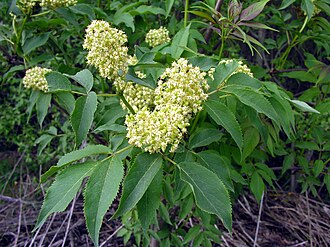
Pyramidal clusters of red berries; not the dark hanging clusters of edible-type elders.
Edible portions
Safety Not treated as food on this site.
Growing
- Climate. 4–7 woods
- Light. Part shade
- Soil. Moist woods
- Planting. Native shrub. Not a pie plant.
- Harvest. Do not treat red clusters as grocery elderberry.
Safety
- Do not substitute red elderberries for Sambucus nigra/canadensis recipes. Different reputation and chemistry. When unsure, skip.
Next steps
Sources
- USDA PLANTS Database — taxonomy and range (verify current entries)
- No USDA FoodData Central nutrient profile is attached here. That is not a claim that the plant contains no nutrients.
- State cooperative extension growing guides — verify for your region
Honest incompleteness is preferred to fabricated completeness. If a section is missing, no record for it is attached here — not a claim that the plant lacks that characteristic, and not that it was omitted as a secret.
Internal quality class B. Good foundation: enough unique information to exist as its own destination.