Licorice
Glycyrrhiza glabra
A nitrogen-fixing perennial whose sweet root contains glycyrrhizin. Culinary extracts flavor candy; chronic high intake of glycyrrhizin is a known blood-pressure/potassium issue. Not a casual daily tea campaign.
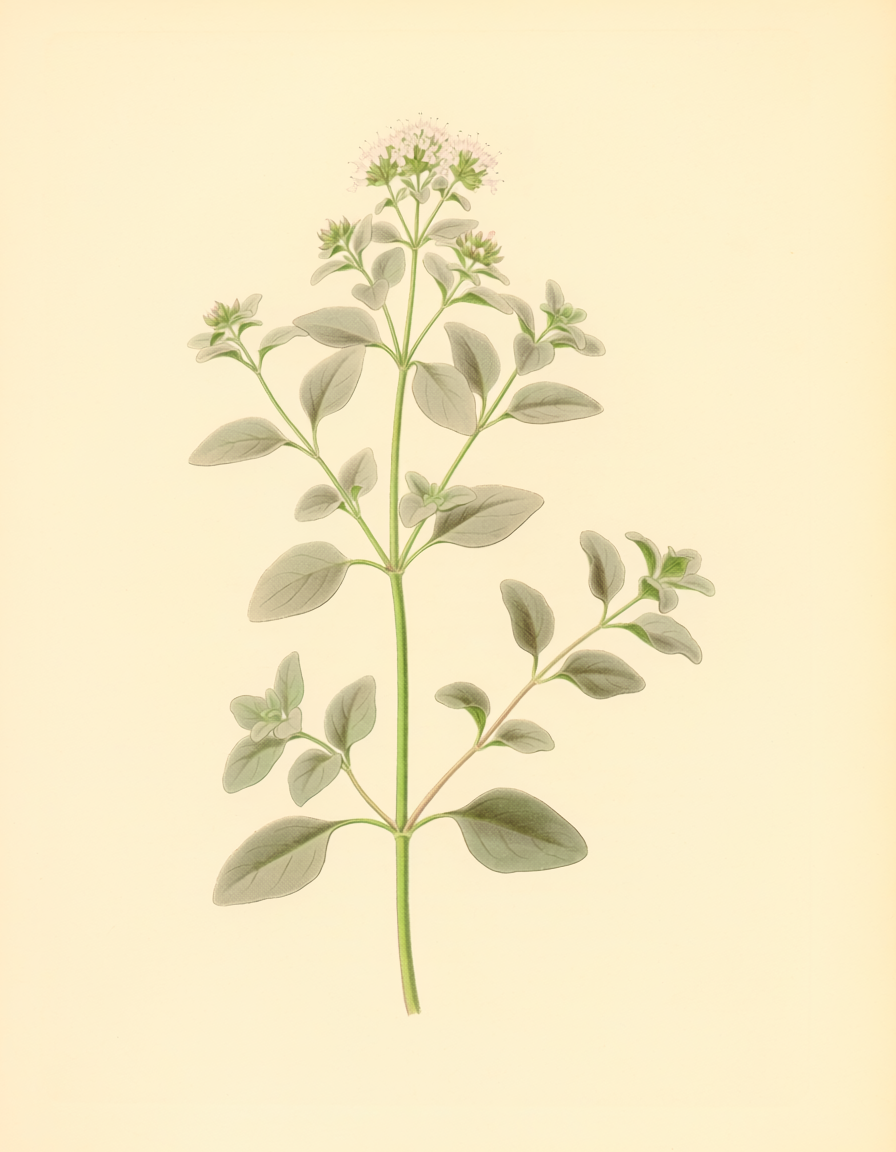
GROW → HARVEST → EAT → DRY → POWDER → CAPSULE → GUMMY — forms are not equivalent. Food first.
Identity
What it is
A nitrogen-fixing perennial whose sweet root contains glycyrrhizin. Culinary extracts flavor candy; chronic high intake of glycyrrhizin is a known blood-pressure/potassium issue. Not a casual daily tea campaign.
From the existing encyclopedia
Home cooks and herbal tea drinkers know Licorice for its signature scent and the way it layers with citrus, honey, or allium. Rehydrate dried forms in warm water before adding to long braises for even texture. Mix into lentil, bean, or whole-grain bowls for texture and flavor depth. When substituting dried Licorice for fresh, use about one-third the volume and bloom in fat or hot water before adding acid or dairy.
Edible portions
- root as flavoring extract, not a snack vegetable
Absence of a portion from this list means it is not treated as food here — not that every other part is toxic.
Growing
- Climate. 7–10
- Light. Full sun
- Soil. Deep, well-drained, slightly alkaline
- Planting. Rhizomes run. A dedicated bed.
- Harvest. Roots from established plants — a long wait.
Preparation and culinary uses
- Candy flavoring; a small piece in some chai blends
Nutrition and compounds
- Plant compounds. glycyrrhizin. Presence is not a dose, a cure, or a reason to buy a capsule.
AAA interpretation Food first. These associations explain why a plant shows up in a nutrient conversation — they are not a supplement shopping list.
Safety
- Glycyrrhizin can affect potassium and blood pressure when intake is high and prolonged. Food-candy amounts differ from concentrated extracts. People with relevant conditions should not self-dose licorice root.
Next steps
Sources
- USDA PLANTS Database — taxonomy and range (verify current entries)
- USDA FoodData Central — nutrient profiles for foods (verify current entries; this page does not invent milligrams)
- State cooperative extension growing guides — verify for your region
- Integrated from the existing aaaLifetime / quantum-biohack encyclopedia corpus (unique text preserved where it was not boilerplate).
Honest incompleteness is preferred to fabricated completeness. If a section is missing, no record for it is attached here — not a claim that the plant lacks that characteristic, and not that it was omitted as a secret.
Internal quality class A. Strong page: distinctive plant facts plus practical growing or kitchen use.